
The Shift Toward Natural Ingredients
The United States food industry is evolving rapidly as consumers increasingly prefer products made with recognizable, naturally derived ingredients. Concerns about artificial additives and state-level initiatives to restrict petroleum-based dyes are accelerating the transition to natural colorants.
For European food and beverage manufacturers exporting to the U.S., this shift presents both a challenge and an opportunity: aligning with American clean-label expectations while maintaining product quality and appearance.
Among the available natural pigments, beta carotene has become one of the most dependable options, offering a balance between vibrant color performance, nutritional functionality, and regulatory acceptance. Studies predict continued growth in demand for beta carotene and other natural pigments, particularly in the beverage and dairy sectors.
Understanding Beta Carotene Color
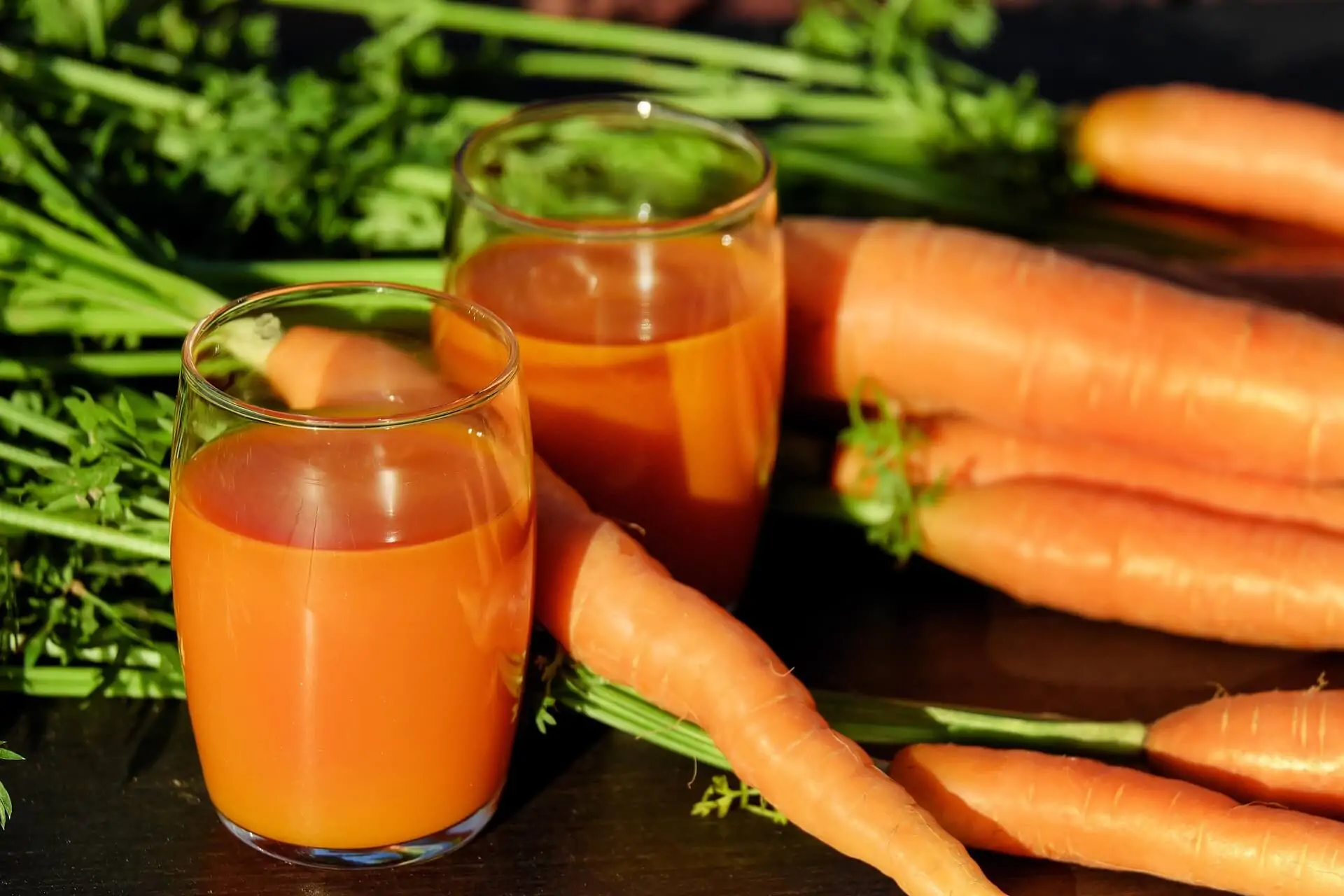
Beta carotene is a carotenoid pigment found in carrots, sweet potatoes, spinach, and various other plants. Its molecular configuration allows it to absorb light in the blue range of the visible spectrum, producing a deep yellow to orange hue.
Beyond its coloring properties, beta carotene is a provitamin A compound, which sets it apart from many other natural colors by offering both aesthetic and nutritional value.
In industrial use, beta carotene is available in multiple forms—such as oil suspensions, water-dispersible emulsions, and beadlet encapsulations—making it suitable for a wide range of applications from beverages to bakery fillings.
Blakeslea trispora: A Reliable Source of Natural Beta Carotene
While plants are natural sources of beta carotene, large-scale production for food and beverage use often relies on fermentation using the fungus Blakeslea trispora. This biotechnological process delivers several advantages:
- High purity and color intensity
- Sustainable and non-GMO origin, ideal for clean-label formulations
- Year-round production stability
- Compliance with both EU and U.S. regulatory frameworks
For European producers, beta carotene obtained from Blakeslea trispora offers a sustainable and consistent solution for supplying natural colorants to the U.S. market.
Regulatory Standing and Safety in the U.S. Market
Beta carotene is approved by the U.S. Food and Drug Administration (FDA) as a color additive exempt from certification. Manufacturers can use it without batch-by-batch approval, provided it meets identity and purity criteria and is used in accordance with Good Manufacturing Practice (GMP).
It is also classified as Generally Recognized As Safe (GRAS). This dual recognition simplifies market access for European exporters, as EU-compliant beta carotene formulations typically align well with FDA requirements.
Applications in Food and Beverage Manufacturing
Beta carotene produces appealing yellow to orange tones that match consumer expectations for natural-looking products. It is widely used in:
- Dairy items such as butter, cheese, and desserts
- Fruit juices, smoothies, and flavored beverages
- Bakery and confectionery coatings and fillings
- Margarines and spreads
- Dietary supplements and nutraceuticals
These applications highlight its versatility and functional performance across both fat- and water-based matrices.
Nutritional and Functional Benefits
Unlike synthetic colorants that serve purely aesthetic purposes, beta carotene contributes both physiological and antioxidant benefits. It functions as a precursor of vitamin A and plays a role in neutralizing free radicals that can cause oxidative stress.
This combination of color and functionality has made beta carotene an appealing ingredient for manufacturers seeking to differentiate their products in a competitive, health-conscious market. Scientific literature supports its safety when used appropriately, emphasizing moderation in supplementation.
Industry Transition to Natural Pigments
Across Europe and North America, leading brands are reformulating to replace synthetic colors with naturally derived alternatives such as beta carotene.
In beverages, water-dispersible beta carotene emulsions are used for their stable, natural orange hues. In bakery products, powder forms help achieve consistent warm tones in icings and fillings, while adding a subtle nutritional benefit.
These reformulations not only meet the growing clean-label demand in the U.S. but also strengthen brand trust among consumers seeking natural and sustainable ingredients.
Outlook for European Exporters
As the American market continues to move toward naturally sourced, functional ingredients, beta carotene from Blakeslea trispora remains a cornerstone pigment for transatlantic food trade. Advances in encapsulation, stabilization, and fermentation technology are improving its performance, cost-efficiency, and shelf life.
For European food and beverage manufacturers, adopting beta carotene is a strategic way to ensure regulatory compliance, maintain natural positioning, and meet U.S. consumer expectations for transparency and quality.
